
Lifestyle & Health Topic
Should I do more cardio or more strength training?
This is a basic and very common fitness question. The short answer is: You likely need both, but the ideal balance depends entirely on your personal goals, current fitness level, and lifestyle.
Think of cardio and strength training not as competitors, but as a powerful partnership—like the heart and muscles of your fitness journey. Here’s a breakdown to help you decide where to focus.
The Core Benefits of Each
Cardiovascular (Aerobic) Exercise
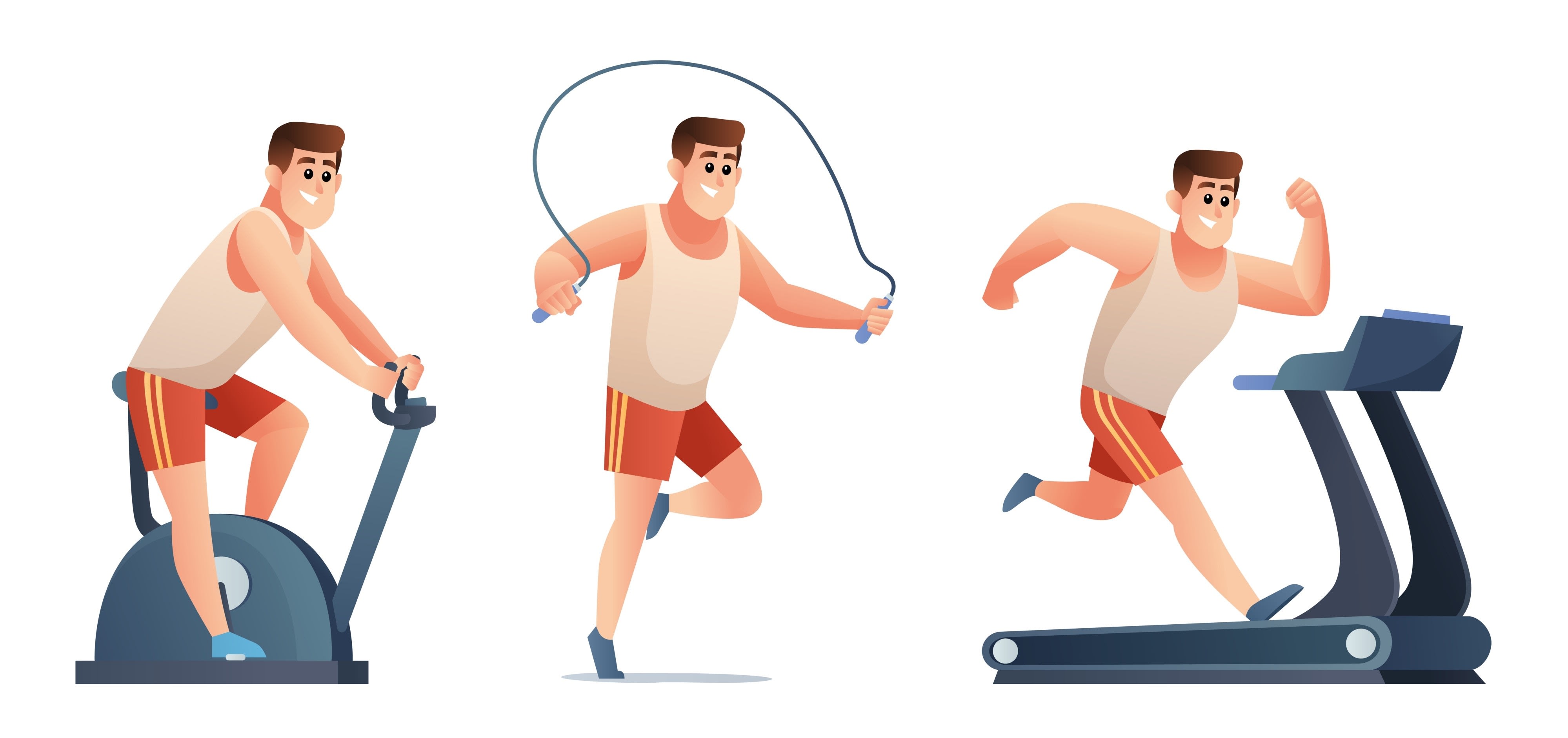
(e.g., running, cycling, swimming, brisk walking)
-
Primary Goal: Improves the health and efficiency of your heart, lungs, and circulatory system.
-
Key Benefits: Burns calories during the activity, boosts endurance, improves mood, enhances sleep, reduces risk of chronic diseases (heart disease, diabetes), and improves stamina for daily life.
Strength (Resistance) Training

(e.g., weightlifting, bodyweight exercises, resistance bands)
-
Primary Goal: Builds and strengthens your muscles, bones, and connective tissues.
-
Key Benefits: Increases resting metabolic rate (muscle burns more calories at rest), builds lean muscle mass, strengthens bones (preventing osteoporosis), improves posture and stability, and makes daily physical tasks easier.
The Decision Matrix: "What is my main goal?"
Use this as your guide:
Focus MORE on STRENGTH TRAINING if your primary goal is to:
-
Build muscle mass or change your body composition (look more "toned").
-
Get stronger for sports or life (lifting kids, moving furniture).
-
Lose fat in a sustainable way (more muscle = higher metabolism).
-
Improve bone density and joint health.
-
Boost your metabolism long-term.
Focus MORE on CARDIO if your primary goal is to:
-
Improve heart health and lung capacity.
-
Train for an endurance event (5K, marathon, cycling race).
-
Burn a high number of calories in a single session.
-
Reduce stress and boost mood quickly (via endorphin release).
-
Increase daily energy levels for non-exercise activities.
Crucial Note: Even when focusing on one, you should never completely exclude the other. A runner needs strength training to prevent injury and improve power. A lifter needs cardio for heart health and recovery.
The Powerful Synergy: Why Doing Both is Best
This is the most important concept. They work better together:
-
Better Fat Loss & Body Composition: Cardio burns calories; strength training builds muscle that burns more calories all the time. Together, they are the ultimate fat-loss combo.
-
Injury Prevention: Strength training stabilizes joints, making you more resilient for cardio. Cardio improves blood flow, aiding muscle recovery from strength sessions.
-
Holistic Health: You care for your internal engine (cardio) and your structural framework (strength). This is the definition of total fitness.
Practical Recommendations for Different Scenarios
-
For General Health & "Getting in Shape": Follow the golden rule of most health organizations: 150 minutes of moderate cardio per week + 2 full-body strength sessions. This is your perfect foundation.
-
For Fat Loss: Prioritize strength training 3x/week to protect/build muscle. Add 2-3 cardio sessions (like brisk walking or intervals) to create a calorie deficit. Diet is paramount here.
-
For Building Muscle/Sculpting (Hypertrophy): Strength training is your main focus (4-5x/week). Use cardio as a tool—short, low-to-moderate sessions (2-3x/week) to support heart health without hindering muscle recovery.
-
For Endurance Performance: Cardio is your main focus (e.g., running 4x/week). Include 1-2 full-body strength sessions to improve power and prevent overuse injuries.
How to Structure Your Week (Sample Schedules)
For the Busy Generalist (3 days/week):
-
Mon: Full-Body Strength
-
Wed: 30-min Cardio
-
Fri: Full-Body Strength
(Add a walk on weekends if possible.)
For Balanced Fitness (4 days/week):
-
Mon: Strength (Lower Body)
-
Tue: Cardio (30 mins)
-
Thu: Strength (Upper Body)
-
Sat: Cardio (Longer, fun session like a hike or bike ride)
Final, Kind Advice
-
Listen to Your Body: If you're drained, a light cardio day might be better than heavy lifting. If you're stiff, mobility work counts.
-
Do What You Enjoy: Consistency beats perfection. You'll stick with activities you like. Hate running? Try dancing or swimming. Hate the gym? Try rock climbing or yoga.
-
Start Where You Are: If you're new, begin with 1-2 sessions of each per week and build gradually.
-
Recovery is Non-Negotiable: Muscles build and your body adapts during rest. Schedule at least 1-2 full rest days per week.
The Bottom Line:
Instead of "or," think "and." Aim for a blend. Adjust the ratio—the "more" in your question—based on your specific, current goal. But always honor the partnership. Your heart will thank you for the cardio, and your future self will thank you for the strength training.
What's your main goal right now? That’s your starting point for finding your perfect balance.


Comments (0)
No comments yet. Be the first to comment!